


Dubai and the language of luxury is not expressed through slogans or spectacle but through a carefully engineered way of living that reveals itself gradually, often through efficiency, space, and an instinctive understanding of how modern affluence actually functions. The experience begins at Dubai International Airport, where scale is matched by precision and where the movement of millions feels improbably calm, establishing a tone that continues throughout the city. In Downtown Dubai, the urban environment feels intentional rather than ornamental, with generous walkways, balanced proportions, and an atmosphere that privileges order over excess, allowing landmarks to exist as part of a larger visual logic rather than as isolated statements. Luxury here is embedded in planning, in the way time is protected and friction is reduced, creating a city that feels intuitive to navigate even at its most impressive.

Hospitality further clarifies Dubai’s fluency in luxury as a language rather than a performance. At hotels such as Taj Exotica Resort & Spa, design follows a fashion house philosophy of restraint, where neutral tones, controlled lighting, and deliberate quiet communicate confidence and maturity, while nearby the iconic Burj Al Arab functions less as a symbol than as a standard bearer for privacy, personalization, and seamless service that no longer needs to announce itself. In DIFC, the intersection of finance, art, and fine dining reflects a global sophistication where excellence is routine rather than exceptional, reinforcing the idea that true luxury lies in consistency and discretion. Even in spaces often defined by scale such as The Dubai Mall, the experience is shaped by clarity of movement, curated retail, and an absence of chaos, turning what could be overwhelming into something composed and surprisingly elegant.

Beyond the city’s most visible districts, Dubai’s luxury becomes quieter and more lived in, particularly in Jumeirah, where low rise architecture, private beaches, and residential calm reflect a preference for comfort over display, and in Alserkal Avenue, where contemporary culture unfolds without urgency in converted industrial spaces that prioritize substance over spectacle. What unites these places is a shared understanding that modern luxury is defined less by what is shown and more by what is removed, whether that is noise, inconvenience, or unnecessary explanation. Dubai does not attempt to convince the visitor of its refinement, because it has moved beyond that stage, choosing instead to operate with the assurance of a city that understands its role as a global benchmark for contemporary luxury travel, lifestyle, and urban design.
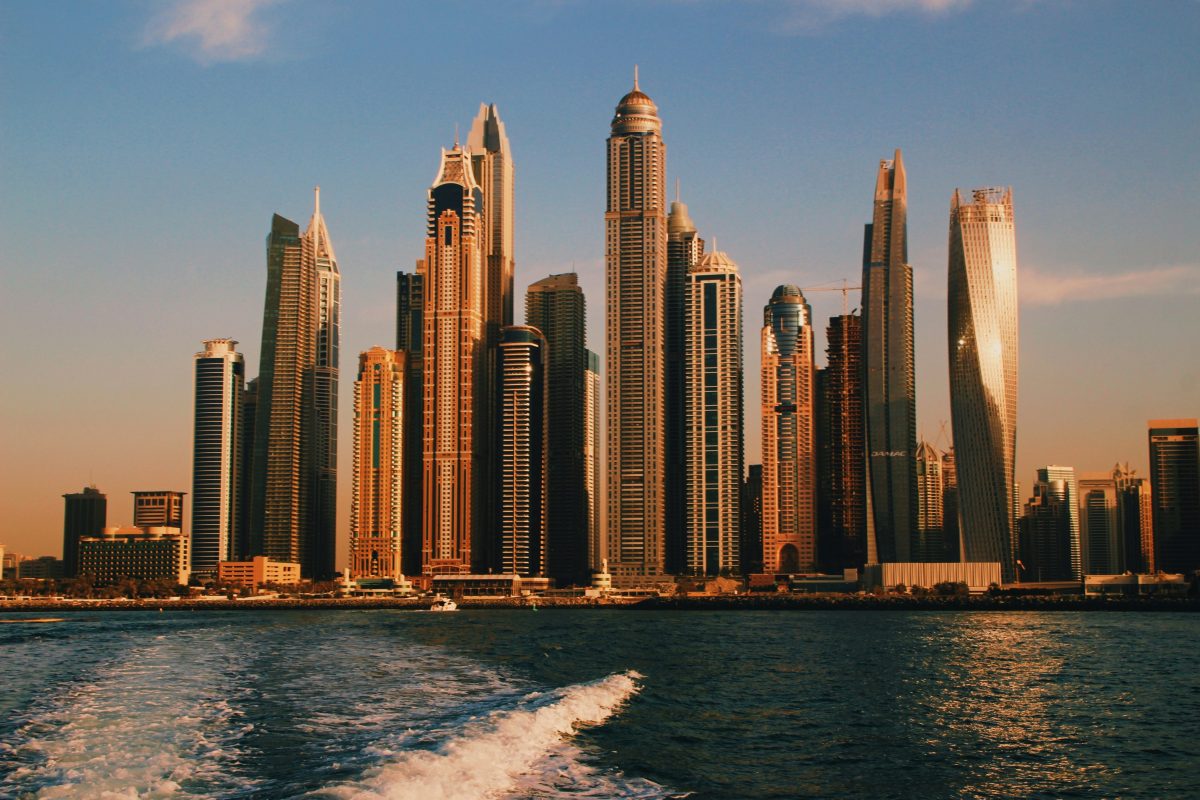
This sense of composure is precisely what makes visiting Dubai especially compelling, particularly for travelers who may have delayed the experience while the city was still defining itself. Dubai has entered a phase where its ambitions have settled into rhythm and its infrastructure, hospitality, and cultural districts operate with a confidence that feels complete rather than aspirational, creating a destination that rewards time, attention, and discernment.

To visit Dubai in 2026 is to encounter a city that no longer seeks validation through spectacle but invites engagement through lived experience, whether that is moving effortlessly between neighborhoods, spending unhurried afternoons by the sea, or discovering its cultural and culinary scenes without the pressure of performance. For those who have not yet experienced Dubai firsthand, this moment offers the opportunity to see the city as it is now, fully formed, assured, and fluent in a language of luxury that reveals itself not through proclamation, but through presence.
By Shahzain Mustafa
Lifestyle & Luxury Travel Editor