

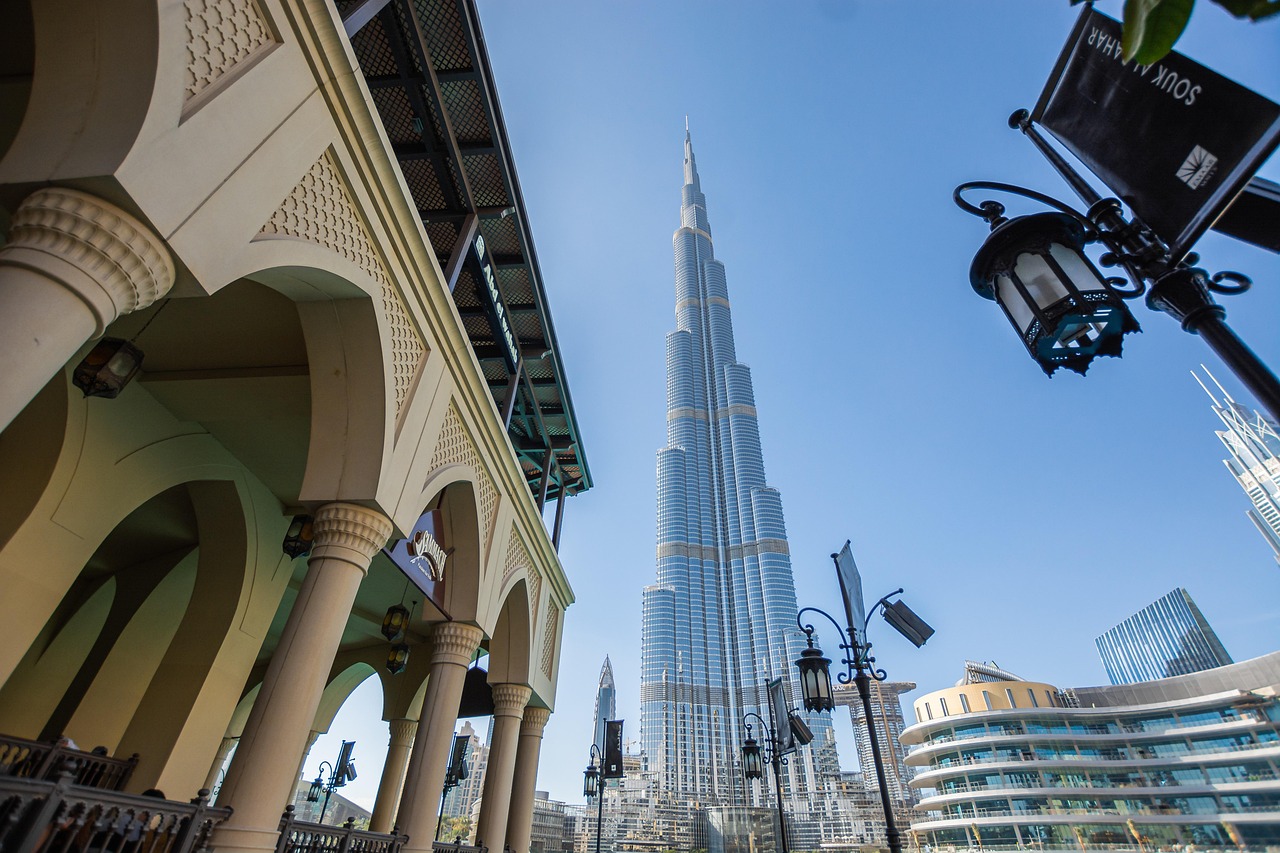
Dubai is often introduced through its skyline, a city read vertically and understood through ambition, height, and spectacle, yet this version only captures what is meant to be seen. The Dubai that long term residents experience operates on a quieter frequency, one defined not by visibility but by access, rhythm, and restraint, where luxury is embedded into daily life rather than staged for consumption. This internal Dubai reveals itself slowly, rewarding familiarity and patience, and offering its most refined pleasures to those who understand that here, the highest form of indulgence is control.
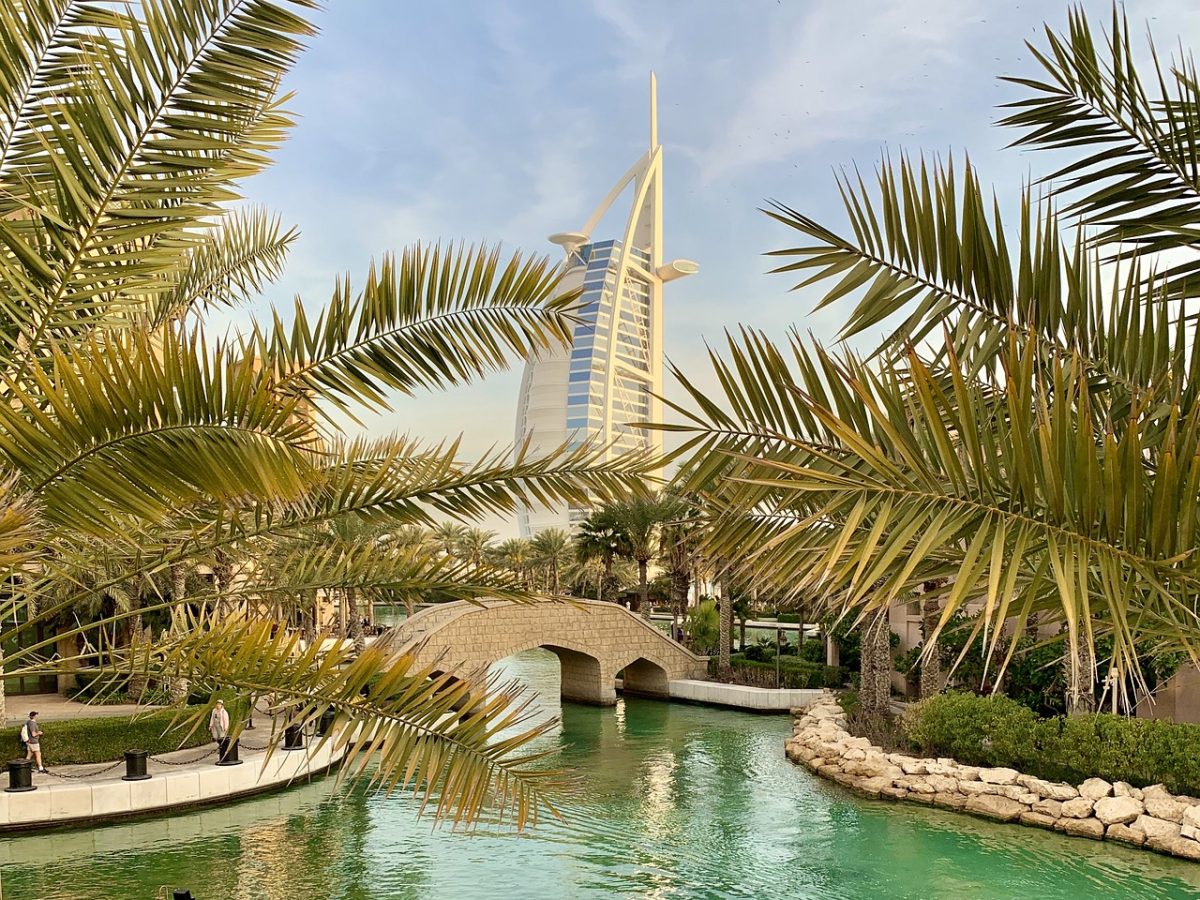
Mornings in this city rarely begin in hotel lobbies or headline making cafés, but in residential neighborhoods where the pace is deliberately unhurried. The most valued spaces are those that feel more like private living rooms than public venues, places where staff recognize faces, where time is flexible, and where the environment encourages lingering rather than turnover. Luxury at this hour is not about presentation or novelty, but about continuity, about returning to spaces that feel stable and predictable in a city otherwise known for change.
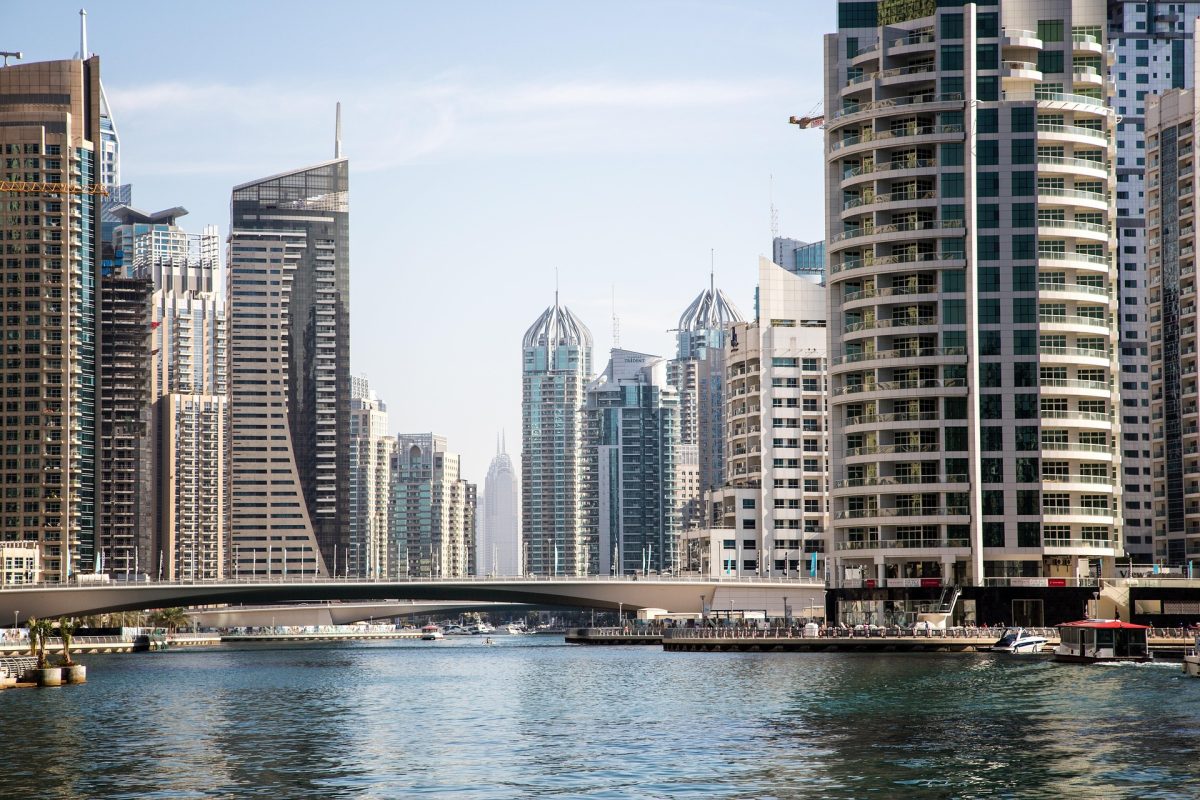
Wellness in Dubai follows a similar philosophy. While the city is home to some of the largest and most elaborate spa complexes in the world, insiders approach them selectively and strategically, favoring moments when these spaces feel nearly private. Midweek mornings and extended sessions are preferred, allowing the architecture, silence, and spatial generosity to become the experience itself rather than the treatments. The real luxury lies not in service intensity but in the ability to occupy stillness without interruption.
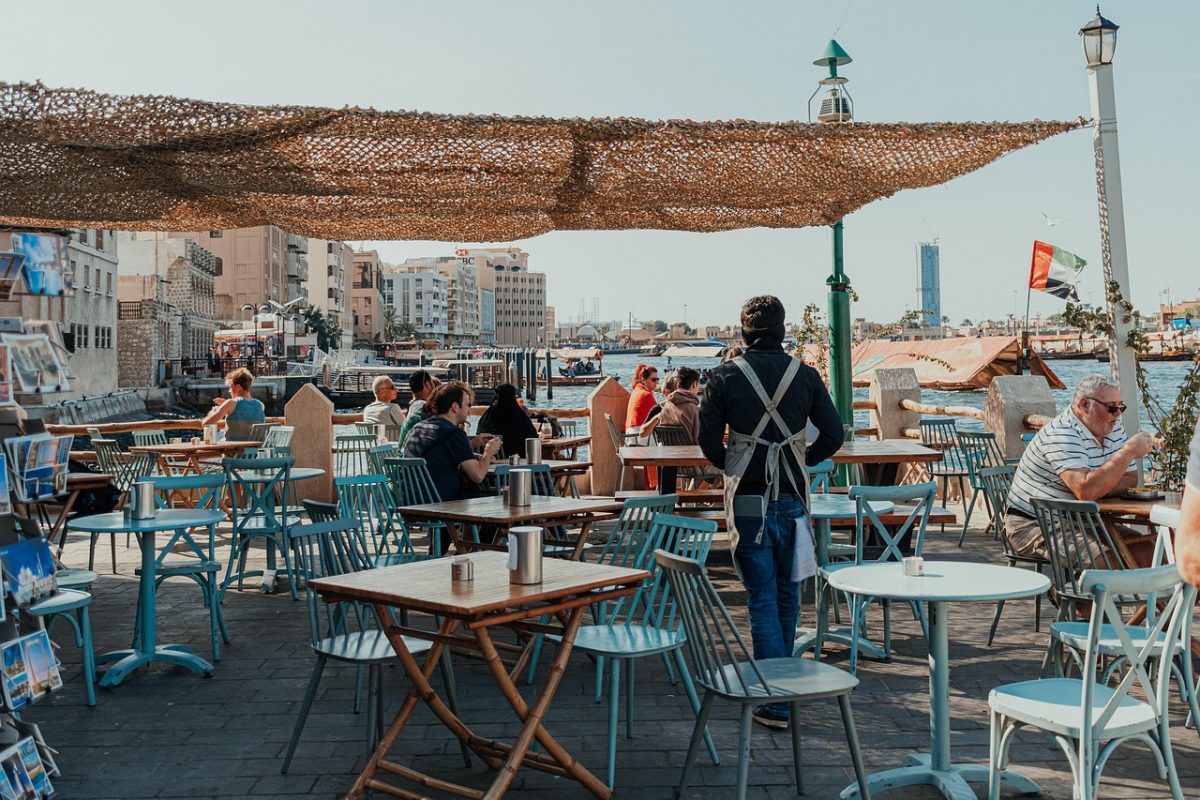
Dining from within the city avoids trends and theatrics in favor of places built on consistency and discretion. Restaurants valued by residents tend to be those that do not require explanation, where menus evolve quietly, service is anticipatory rather than performative, and the clientele returns repeatedly rather than rotating. These are spaces designed for conversation rather than observation, where time stretches naturally and where the atmosphere feels social without being staged. Luxury here is the absence of urgency, the understanding that a table is yours for as long as you need it.
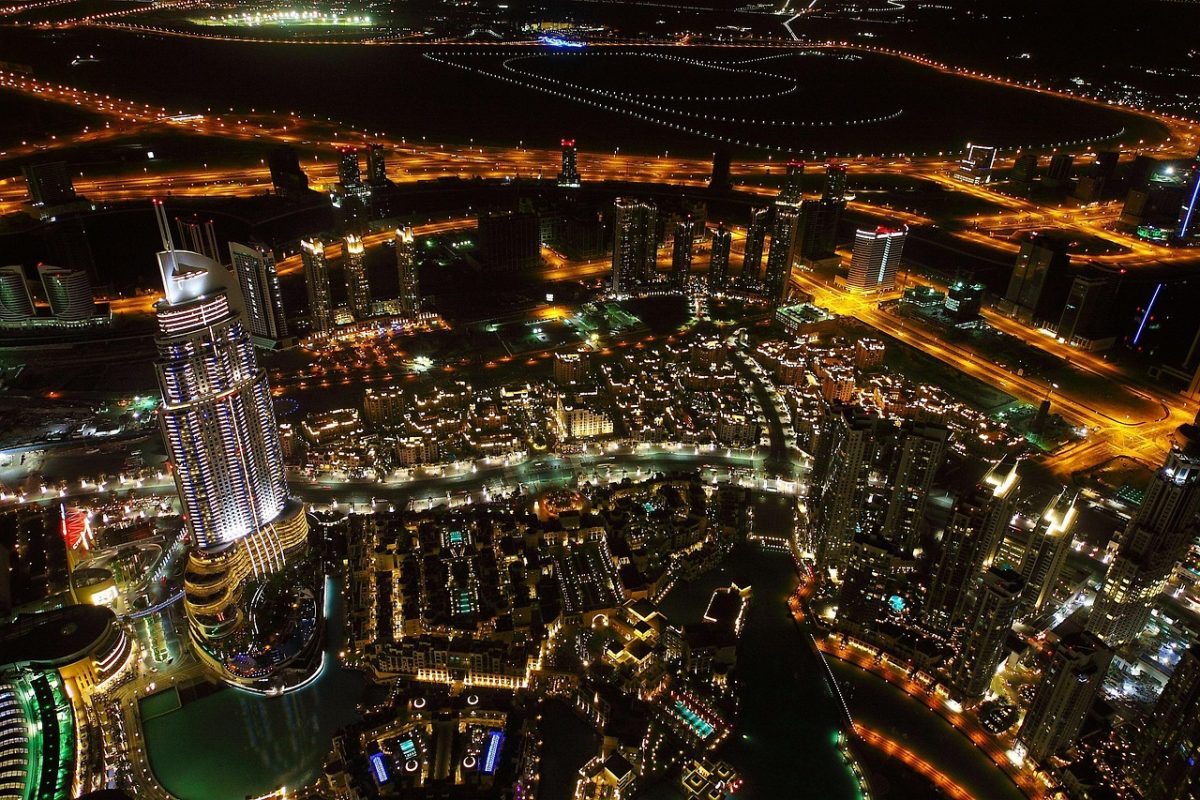
As evening arrives, the city shifts inward rather than outward. The most refined lounges and rooftops are those that balance view with privacy, offering perspective without spectacle. These spaces attract a crowd that values atmosphere over attention, where conversations remain low, service remains subtle, and the environment feels composed rather than energetic. The skyline becomes a backdrop rather than the subject, something to be acknowledged quietly rather than photographed obsessively.
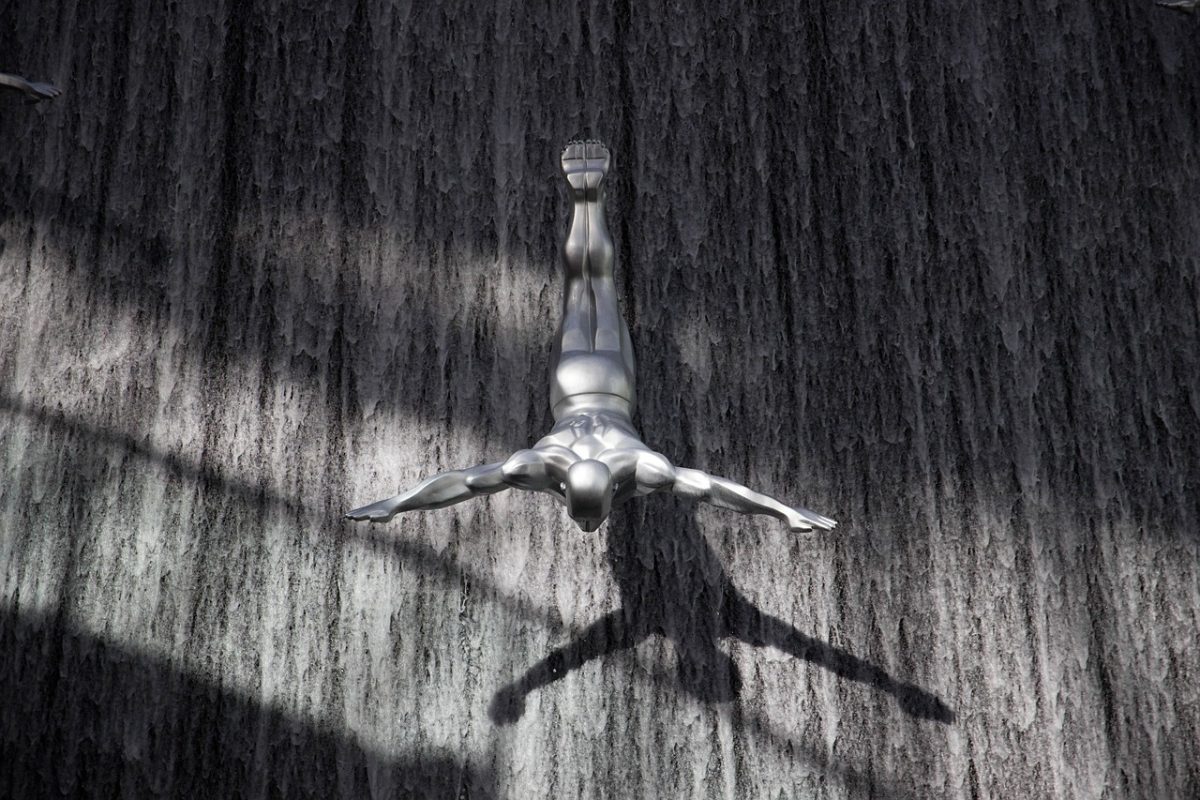
Shopping, too, reflects this internal logic. While Dubai’s retail reputation is built on scale and abundance, those who live well here often bypass the obvious in favor of private appointments and specialist ateliers. Tailoring, jewelry, and design objects are commissioned rather than purchased, with emphasis placed on longevity and personal relevance rather than immediate visibility. The process is unhurried and relational, reinforcing the idea that luxury is something developed over time, not acquired impulsively.
Perhaps the most defining luxury experienced from within Dubai is the ability to withdraw. Short escapes to private desert properties or coastal residences are approached without ceremony, absent of itineraries or curated experiences. Days are left intentionally unstructured, meals informal, and the landscape allowed to dominate. In these moments, luxury is reduced to space, silence, and the rare freedom to exist without observation, documentation, or expectation.
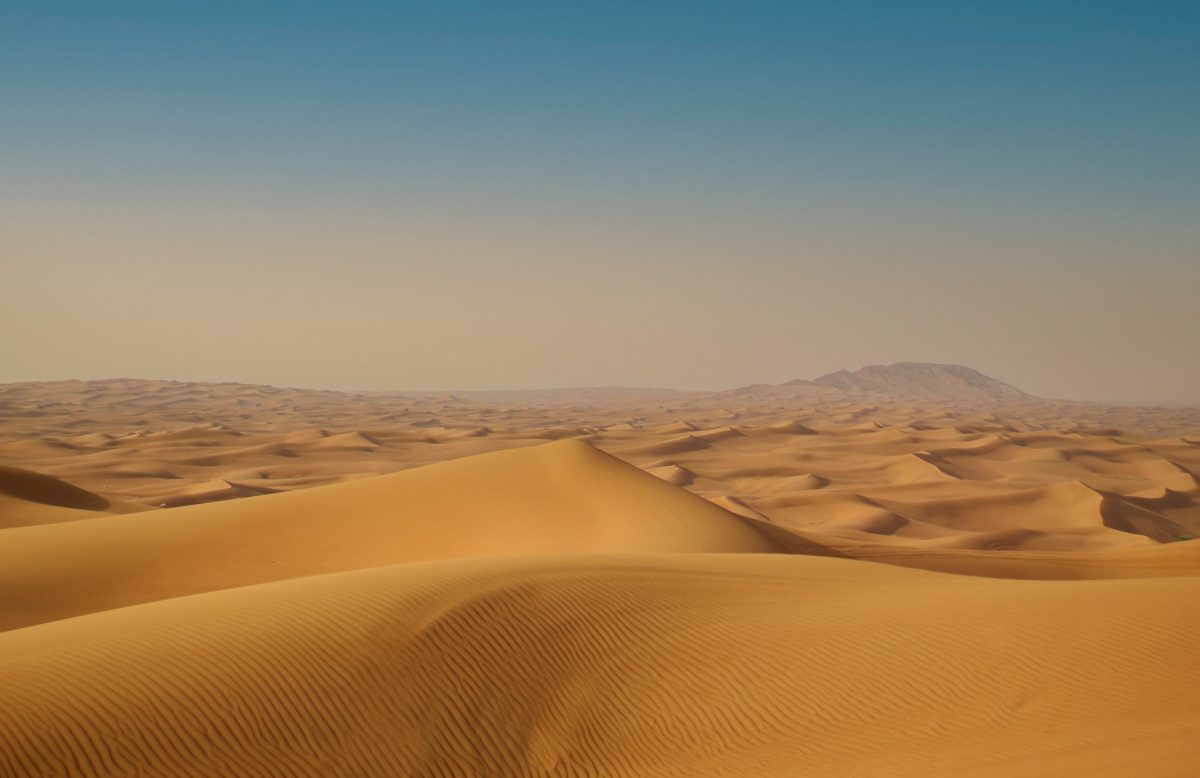
This internal version of Dubai resists simplification because it is not designed to be understood quickly. It is a city that rewards those who learn its timing, who know when to arrive, when to stay, and when to disappear entirely. The most refined experiences here are not advertised, not explained, and not replicated, existing instead within a lived familiarity that transforms the city from a destination into a private world.
Seen from within, Dubai reveals a form of luxury that is calm, deliberate, and deeply assured. It is a luxury that does not seek validation, that values ease over excess, and that understands true refinement as the ability to move through a city on one’s own terms, quietly and without interruption, long after the skyline fades from view.
By Shahzain Mustafa
Lifestyle & Luxury Travel Editor